Why Local Honey is Worth it
Walk into any grocery store and you will find honey aisles packed with golden bottles from across the globe. Most of this honey has been heated, filtered, and shipped thousands of miles. It looks beautiful but lacks what makes honey truly special.
What Local Honey Contains
Raw, unprocessed honey contains bee pollen, propolis, natural enzymes, and antioxidants. These compounds are destroyed during commercial processing. Local honey retains all of its nutritional value.
Studies have shown raw honey has antibacterial properties, wound-healing benefits, and antioxidant effects. Processed honey loses much of this value during heating.
The Allergy Connection
When bees forage in your local area, they collect pollen from the same plants causing your seasonal allergies. Consuming local honey may help build immunity to these allergens. Think of it as natural immunotherapy.
Research is ongoing, but many allergy sufferers report improvement after consuming local honey regularly. The key is consistency and using honey from within 50 miles of your home.
Environmental Impact
Buying local supports small-scale beekeepers who practice sustainable methods. These beekeepers prioritize bee health over honey production, treat their colonies organically, and contribute to local pollination.
Every jar of local honey represents approximately 12 bees working their entire lifetime to produce one teaspoon. When you buy local, you honor that work.
Taste Difference
Local honey tastes dramatically different from commercial varieties. Commercial honey is often ultrafiltered, removing pollen and flavor compounds. Local honey reflects the specific floral sources in your area.
Clover honey tastes different from wildflower honey. Each batch varies based on what bees foraged that season. This variety is part of what makes local honey special.
Finding Local Honey
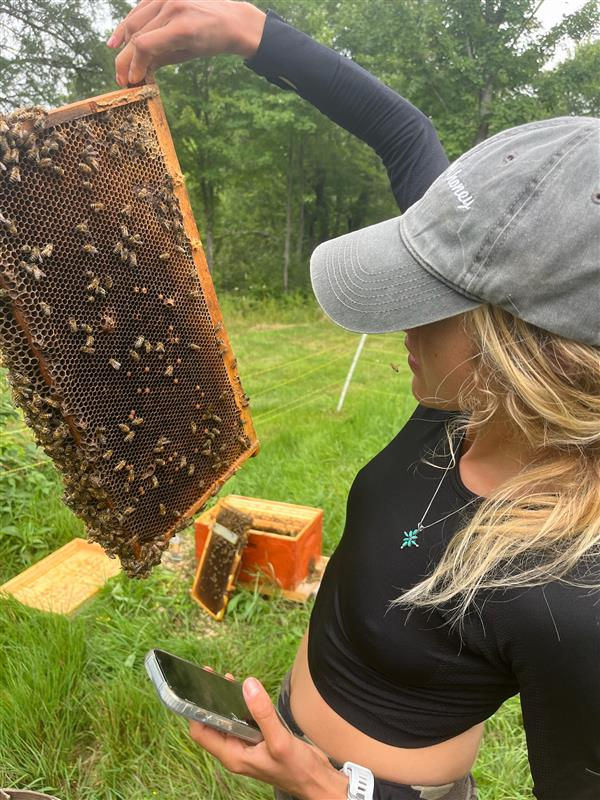
Look for farmers markets, local apiaries, or beekeeping associations in your area. Many beekeepers offer farm visits where you can see their operation and taste different honey varieties.
What to Look For
Choose honey that is not pasteurized (will say raw on the label), local (from within 50 miles), and unfiltered (contains pollen particles). Crystallization is natural and indicates quality.
Supporting Local Beekeepers
When you buy local honey, you support sustainable agriculture and pollinator health. You build relationships with growers in your community. You receive a superior product.
The next time you need honey, skip the grocery store. Find a local beekeeper. Your taste buds and the environment will thank you.


Comments